
Find the best magnesium supplement for diabetic patients with honest picks, pros, cons, and buying advice for safe daily use.
If you are searching for the best magnesium supplement for diabetic patients, you likely want something simple: a form that is gentle on the stomach, easy to take consistently, and sensible for blood sugar support, nerve health, muscle cramps, and overall daily use. That is the real buying intent behind this keyword, and it is also where many generic supplement roundups fall short. Magnesium matters because it is involved in blood glucose control, nerve and muscle function, and blood pressure regulation, but the evidence does not support treating it as a standalone diabetes fix. The practical goal is choosing a well-made supplement that fits your needs without overbuying or picking the wrong form.
For most adults with diabetes, magnesium glycinate is the form worth starting with because it is widely positioned as a better-tolerated, better-absorbed option than harsher forms such as oxide, which matters if you want daily use without digestive regret. On that basis, Thorne Magnesium Glycinate is the best overall pick in this guide, while Nature Made Magnesium Glycinate is the easiest budget-friendly mainstream choice.
Table of Contents
Best Magnesium Supplement for Diabetic Patients: Top Picks
Best Overall: Thorne Magnesium Glycinate
Best Budget: Nature Made Magnesium Glycinate 200 mg
Best Premium: Pure Encapsulations Magnesium Glycinate
Best for Beginners: Nature Made Magnesium Glycinate 200 mg
Best for Brain-Focused Support: Life Extension Neuro-Mag Magnesium L-Threonate
Best Value per Bottle: NatureBell Pure Magnesium Glycinate 500 mg
Best Multi-Form Option: BIOptimizers Magnesium Breakthrough
Why Trust This Guide
This guide is built around the things that actually matter for this keyword:
- current public product specs and brand positioning
- magnesium form and tolerance differences
- diabetes-specific practicality, not hype
- ingredient simplicity
- dose clarity
- daily-use convenience
- likely buyer objections such as price, stomach upset, and confusion over forms
The recommendations are based on current manufacturer and retailer information plus NIH/NCCIH guidance on magnesium’s role, upper limits, and medication interactions. Magnesium may support relevant health functions, and some reviews have found improvements in fasting glucose, insulin resistance, and blood pressure in type 2 diabetes, but major public-health sources also make clear that evidence is mixed and magnesium should not be framed as a diabetes treatment on its own.
Best Magnesium Supplement for Diabetic Patients: Main Recommendations
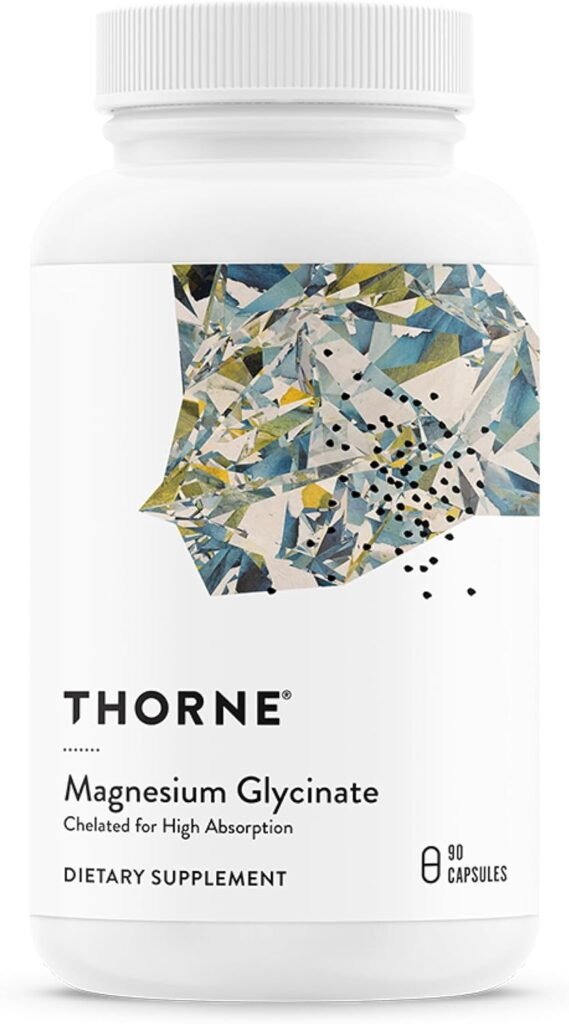
1) Thorne Magnesium Glycinate
Best for: Best overall
This is the cleanest all-around recommendation for most readers. It is a strong fit if you want magnesium glycinate from a brand that emphasizes third-party certification and free-from claims without pushing a complicated formula.
Key features
- Magnesium glycinate form
- Third-party certified positioning
- Gluten-free, dairy-free, soy-free positioning
- Capsule format
- Simple single-form approach
- Brand positioned toward high-bioavailability supplements
Pros
- Best match for shoppers who want a straightforward glycinate product
- Cleaner positioning than many marketplace-only brands
- Easier to trust than trendier “mega blend” options
- Good fit for daily use
- Sensible for people worried about stomach tolerance
- Strong overall quality impression
Cons
- Not the cheapest
- May feel too basic if you specifically want multiple magnesium forms
- Capsule-based, so not ideal if you prefer gummies or powders
Why it made the list
Most buyers are not actually looking for an exotic magnesium stack. They want a reliable glycinate product they can take consistently. This is where Thorne stands out.
Buyer pain point solved
It reduces the risk of buying a flashy but confusing product when what you really need is a clean daily magnesium.
Buyer objection addressed
If you worry that higher price means overpaying, the counterpoint is that quality control and formula simplicity are exactly what many diabetes-focused readers value.
Trade-offs
You pay more for brand trust and certification language, not for a dramatically more exciting formula.
Who should buy it
Adults with diabetes who want the safest “default yes” option.
Who should skip it
Anyone strictly shopping by lowest price.
Bottom line
For most readers, this is the smartest overall pick because it keeps the formula, form, and trust story simple.
2) Nature Made Magnesium Glycinate 200 mg
Best for: Budget and beginners
This is the easiest recommendation for someone who wants a recognizable mainstream brand, a moderate serving size, and gentler GI positioning than magnesium oxide. It is also beginner-friendly because the label positioning is easy to understand

Key features
- 200 mg per serving
- Chelated magnesium glycinate
- 60 capsules
- Better absorption and GI tolerance positioning than oxide
- Two capsules daily
- Gluten-free, no artificial flavors, no color added
Pros
- Easy to find and compare
- Good entry-level dose format
- Simple label and mainstream retail familiarity
- Gentle-on-stomach positioning
- More approachable for first-time supplement users
- Better value than many premium brands
Cons
- Not the most premium formula in the group
- Fewer “clean-label prestige” signals than Thorne or Pure Encapsulations
- Two-capsule serving may annoy some users
Why it made the list
Many buyers are overwhelmed by supplement jargon. This is one of the easiest options to understand and buy with confidence.
Buyer pain point solved
It solves beginner confusion and lowers the chance of overspending.
Buyer objection addressed
If you are unsure whether magnesium is worth trying, this is a practical starting point rather than a premium leap.
Trade-offs
You get convenience and accessibility, not boutique-brand positioning.
Who should buy it
First-time buyers, budget-conscious shoppers, and people asking “Which magnesium is good for diabetes type 2?”
Who should skip it
Buyers who want the most premium allergen-conscious positioning.
Bottom line
A practical budget choice and one of the easiest products to recommend to beginners.
3) Pure Encapsulations Magnesium Glycinate
Best for: Premium / sensitive users
Pure Encapsulations is the premium clean-label pick for readers who care about minimalist ingredients and broad free-from claims. That matters for shoppers who are sensitive to additives or simply prefer a more clinical supplement feel.

Key features
- Magnesium glycinate form
- Well-tolerated positioning
- Vegan / vegetarian positioning
- Free from many common allergens and unnecessary additives
- Clinical-style brand positioning
Pros
- Strong fit for sensitive users
- Clean-label appeal is excellent
- Straightforward formula
- Premium brand reputation in practitioner-style supplement spaces
- Good choice if you dislike mass-market formulas
Cons
- Usually pricier
- May be more than casual users need
- Less value-focused than bulk bottles
Why it made the list
It fills the premium lane better than most magnesium roundups explain: not because it is magical, but because ingredient minimalism matters to some buyers.
Buyer pain point solved
It helps users avoid low-trust formulas with fillers or broader allergen exposure.
Buyer objection addressed
Yes, it costs more. It is worth it mainly for shoppers who specifically care about purity and tolerability.
Trade-offs
Higher cost for cleaner brand positioning, not necessarily a radically different outcome.
Who should buy it
Adults with diabetes who are sensitive to additives or very selective about supplement labels.
Who should skip it
Anyone focused mainly on bottle size or bargain pricing.
Bottom line
One of the best premium magnesium glycinate options if ingredient simplicity is your top priority.
4) BIOptimizers Magnesium Breakthrough
Best for: Shoppers who want multiple forms in one product
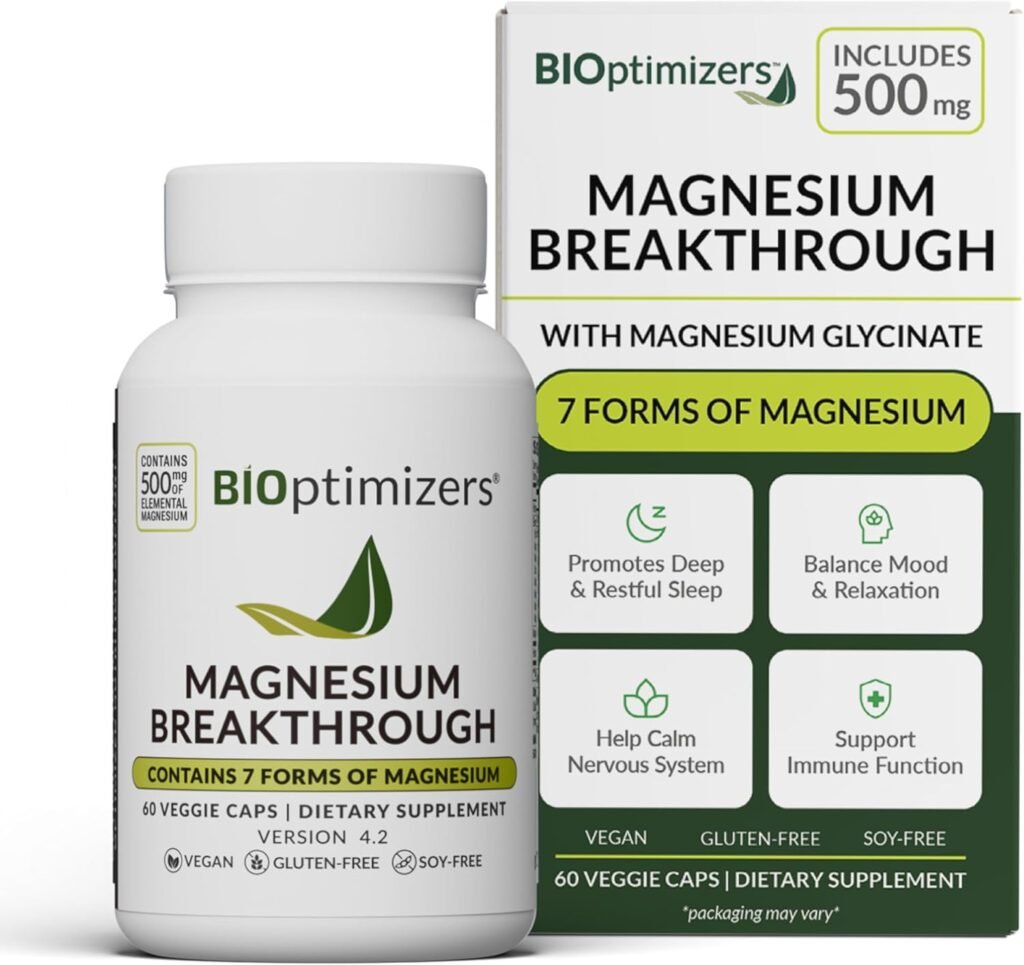
This is the most “feature-rich” option here, built around seven forms of magnesium. That sounds compelling, but it is not automatically better for everyone. It is best for people who specifically want a blended formula and do not mind paying more for complexity.
Key features
- 7 forms of magnesium
- 500 mg total magnesium claim in listing copy
- Capsule format
- Broad-spectrum positioning
- Brand leans into sleep and cognitive support messaging
Pros
- Appeals to buyers who want an all-in-one approach
- More interesting than a basic glycinate-only product
- Useful if you do not want to research individual forms separately
- Strong for users who value formula breadth
Cons
- More expensive
- Complexity can be unnecessary
- Harder to know which form is helping or bothering you
Why it made the list
Because some readers specifically ask, “Can diabetics take magnesium complex?” In general, a complex can be reasonable, but it is not automatically the best starting place.
Buyer pain point solved
It helps buyers who do not want to choose between glycinate, citrate, malate, and others.
Buyer objection addressed
If price feels high, that is because you are paying for a broad-formula concept, not just a basic daily magnesium.
Trade-offs
More forms, less simplicity.
Who should buy it
Experienced supplement users who like broad-spectrum formulas.
Who should skip it
Beginners and anyone who wants the clearest possible dose-and-tolerance picture.
Bottom line
A strong option if you want a magnesium complex, but not the default choice for most diabetic adults.
5) Double Wood Magnesium Glycinate 400 mg
Best for: Higher-dose value shoppers
Quick summary
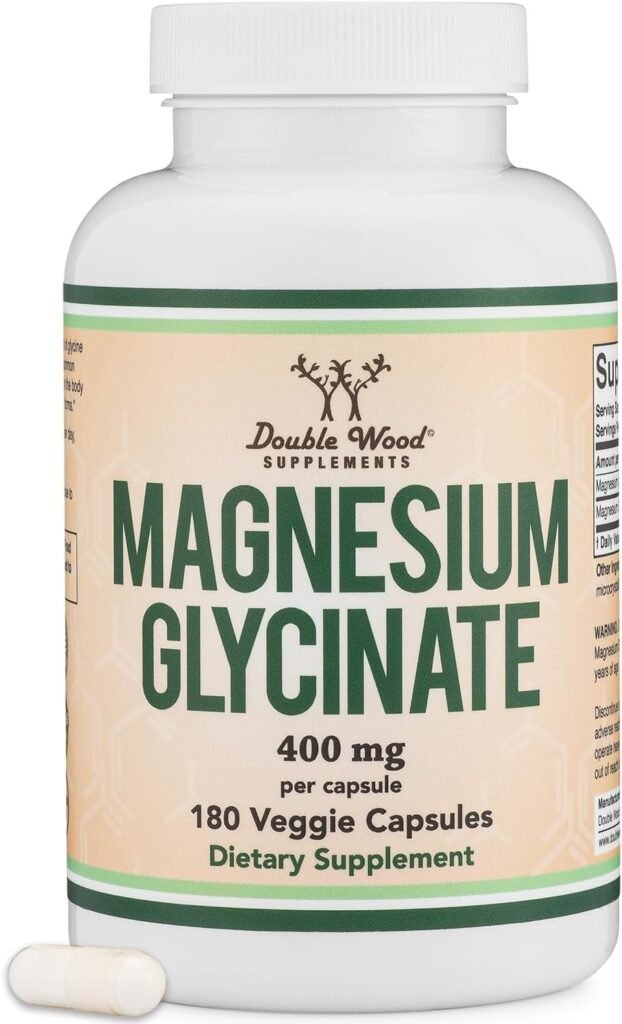
This is a practical choice for shoppers who want a larger bottle and a more “value per capsule” feel. It sits between budget and premium: not the most prestigious brand in the list, but attractive for people who want more capsules and a simple glycinate concept. Retailer listings position it as vegan, gluten-free, non-GMO, and third-party tested / NSF-related in marketplace copy.
Key features
- Magnesium glycinate 400 mg listing claim
- 180 capsules
- Vegan positioning
- Gluten-free / non-GMO positioning
- Third-party tested / NSF-related marketplace positioning
Pros
- Good bottle size
- Better for users who want fewer repurchases
- Straightforward use case
- Attractive middle-ground value
- Practical for consistent daily routines
Cons
- Trust profile depends more on retailer listing context than the brand pages gathered here
- Less premium-feeling than Thorne or Pure Encapsulations
- Higher claimed dose may not be ideal for every shopper
Why it made the list
It is appealing for users who want a cost-per-day play without moving into a bulky multi-form formula.
Buyer pain point solved
It reduces the frustration of small bottles that run out quickly.
Buyer objection addressed
If you dislike paying premium prices for a simple mineral, this is the more pragmatic alternative.
Trade-offs
You give up some premium-brand polish for stronger everyday value.
Who should buy it
Routine-focused users who want a larger supply.
Who should skip it
Anyone who wants the most established premium trust signals.
Bottom line
A useful value pick for shoppers who want glycinate and a bigger bottle, but I would still rank Thorne and Nature Made ahead on confidence and clarity.
6) Life Extension Neuro-Mag Magnesium L-Threonate
Best for: Cognitive-support angle
Quick summary
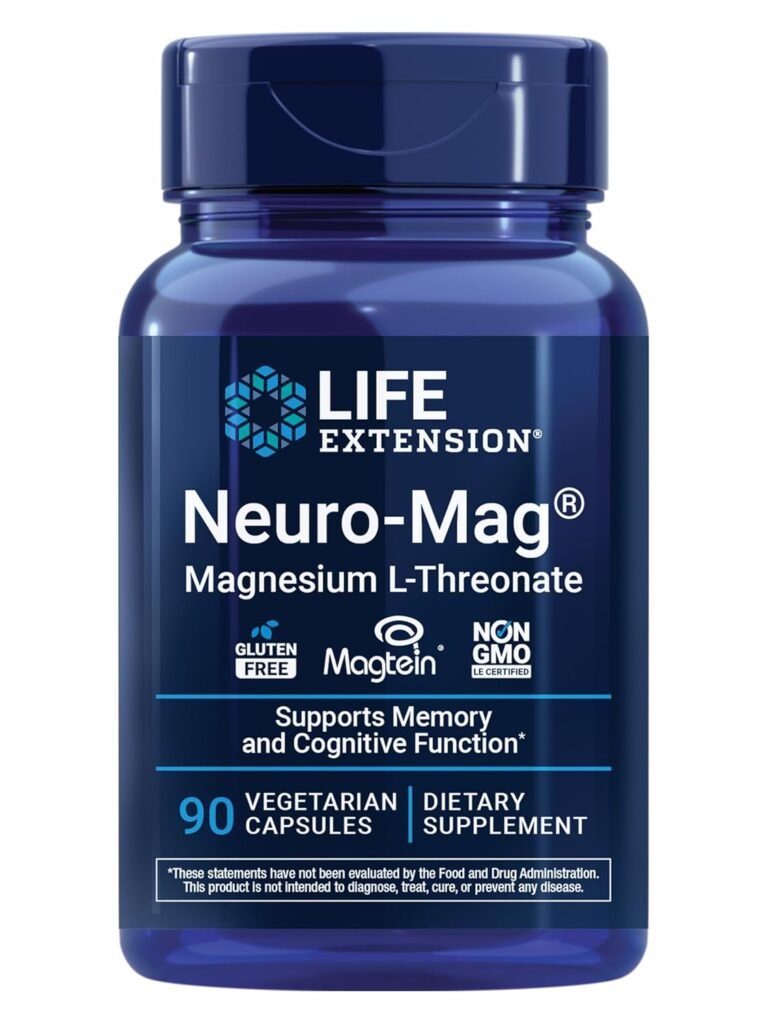
This is the specialist pick, not the default diabetes pick. L-threonate is positioned around memory and cognitive support rather than basic muscle-cramp or general-value shopping. That makes it relevant mainly for readers who also care about brain-health support.
Key features
- Magnesium L-threonate form
- 90 vegetarian capsules
- Cognitive health positioning
- Gluten-free, non-GMO, vegetarian
- ConsumerLab seal shown on product page
- One-month supply at suggested use
Pros
- Clear use-case differentiation
- Better fit for memory / cognition shoppers
- More unique than standard glycinate products
- Good brand credibility signals
- Strong for specialized buyers
Cons
- Not the best value for general magnesium use
- Less relevant if your goal is mainly muscle relaxation or simple daily support
- Usually more expensive for what most diabetes-focused buyers need
Why it made the list
Because not every buyer wants the same thing. Some want magnesium plus a brain-health angle.
Buyer pain point solved
It helps buyers avoid wasting money on standard glycinate if cognition support is their real priority.
Buyer objection addressed
If you are paying more, it should be because this use case actually matches your needs.
Trade-offs
More specialized benefit positioning, less general-value appeal.
Who should buy it
Adults who prioritize memory and mental sharpness alongside magnesium intake.
Who should skip it
Anyone who simply wants the best magnesium for insulin resistance or type 2 support questions.
Bottom line
Worth considering for a brain-health angle, but not the best overall magnesium supplement for diabetic patients.
7) NatureBell Pure Magnesium Glycinate 500 mg
Best for: Bulk-value buyers
Quick summary
NatureBell is the “bigger bottle, longer supply” option. It is attractive if you hate frequent reorders and care more about long-run value than brand prestige.
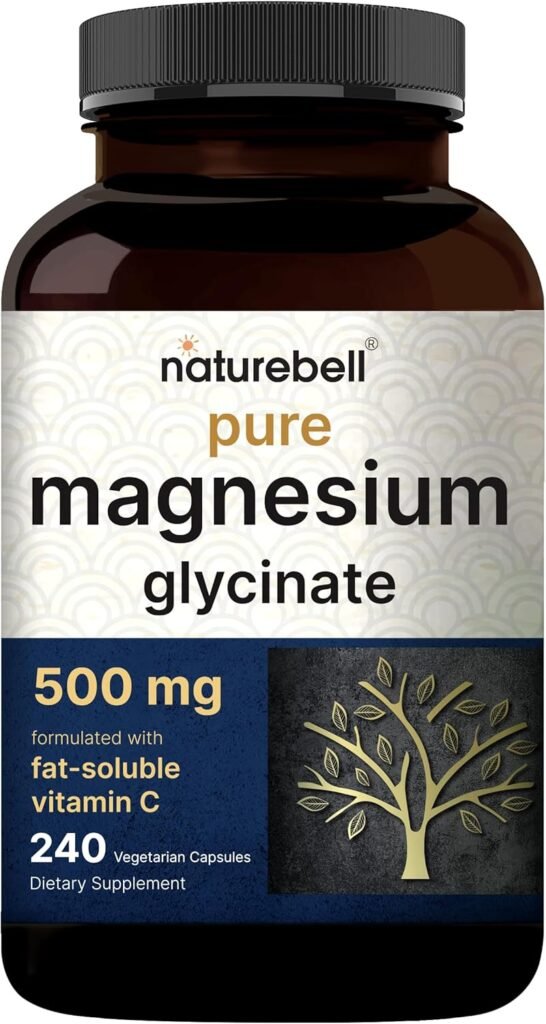
Key features
- 500 mg claim
- 240 veggie capsules
- Chelated and purified positioning
- Vegan-friendly and non-GMO positioning
- Large-bottle value angle
Pros
- Very good bottle size
- Convenient for long-term users
- Value-focused
- Good fit for households that reorder often
- Simple glycinate positioning
Cons
- Less premium trust appeal than top clinical-style brands
- Large bottles are not ideal if you are still experimenting
- High serving claims can confuse newer buyers
Why it made the list
Because value shoppers should have a legitimate option besides small mainstream bottles.
Buyer pain point solved
It solves reorder fatigue and helps heavy supplement users control cost per month.
Buyer objection addressed
If you worry bulk means lower quality, that is the main trade-off to evaluate against more premium brands.
Trade-offs
More quantity, less polished trust story.
Who should buy it
Experienced supplement users who already know magnesium glycinate works for them.
Who should skip it
First-time buyers who are still testing tolerance.
Bottom line
A solid value option once you know you want glycinate long term.
Comparison Table
If you are comparing brands, this guide to the best magnesium supplement for diabetic patients focuses on products that are easier to tolerate.
| Product | Best for | Standout feature | Price range | Quick summary |
|---|---|---|---|---|
| Thorne Magnesium Glycinate | Best overall | Third-party certified, clean formula | $$ | Best balance of quality, simplicity, and daily-use fit |
| Nature Made Magnesium Glycinate 200 mg | Budget / beginners | Gentle-on-stomach, mainstream brand | $ | Easy entry point for first-time buyers |
| Pure Encapsulations Magnesium Glycinate | Premium / sensitive users | Clean-label, allergen-conscious positioning | $$$ | Strong premium pick for users who care most about ingredient simplicity |
| BIOptimizers Magnesium Breakthrough | Users who want a blended formula | 7 forms of magnesium | $$$ | Broad-spectrum option, but more complexity than most people need |
| Double Wood Magnesium Glycinate 400 mg | Higher-dose shoppers | Larger bottle, third-party tested / NSF positioning in listings | $$ | Practical if you want more capsules and simpler value math |
| Life Extension Neuro-Mag Magnesium L-Threonate | Cognitive support angle | L-threonate form for memory/cognition positioning | $$$ | Best fit if brain-health support matters more than basic value |
| NatureBell Pure Magnesium Glycinate 500 mg | Bulk-value buyers | Large count bottle | $-$$ | Good for people prioritizing bottle size and long supply |
Product positioning and features are based on current brand and retailer listings.
How to Choose the Best Magnesium Supplement for Diabetic Patients
1) Start with the form, not the marketing
For most readers, magnesium glycinate is the safest first look because it is commonly positioned as gentler and easier to tolerate than forms like oxide. That matters because the biggest real-world reason people abandon magnesium is digestive discomfort.
2) Do not assume “more mg” is automatically better
The NIH fact sheet lists the supplemental upper intake level for adults at 350 mg/day from supplements and medications, even though magnesium needs from all sources are higher overall. High supplemental amounts can cause diarrhea, nausea, and abdominal cramping, and risk rises with kidney impairment.
3) If you have diabetes and high blood pressure, keep expectations realistic
Magnesium is involved in blood pressure regulation, and some reviews found modest blood pressure reductions with supplementation. But that does not mean every magnesium product is a blood-pressure supplement in disguise. Think of it as supportive, not a replacement for your prescribed plan.
4) Check medication conflicts before buying
This matters more than most affiliate posts admit. Magnesium can interfere with some antibiotics and bisphosphonates, and some diuretics or long-term proton pump inhibitors can alter magnesium status. If you use diabetes-related multi-drug regimens, this is worth checking with your clinician or pharmacist.
5) Choose based on your real goal
- General daily support: glycinate
- Lowest-friction beginner pick: Nature Made
- Premium clean-label: Pure Encapsulations or Thorne
- Memory/cognition focus: L-threonate
- Complex formula curiosity: BIOptimizers
6) Buy small first if you are unsure
A huge bottle is only “good value” if you actually keep taking it. First-time buyers are usually better off with a moderate-size bottle and a simple form.
Best For / Fast Decision Section
Best magnesium supplement for type 2 diabetes
Thorne Magnesium Glycinate is the best overall fit for most type 2 shoppers because it balances form, simplicity, and trust signals well. Nature Made is the better choice if budget matters more.
Best magnesium supplement for type 1 diabetes
The same logic applies: choose a clean, simple glycinate first unless your clinician has guided you toward something more specific. Nothing in the public guidance supports treating magnesium as a type 1 management substitute.
Best magnesium for diabetes and high blood pressure
A glycinate product from Thorne or Pure Encapsulations makes the most sense if you want a daily support option with fewer stomach concerns. Evidence suggests magnesium can play a supporting role in blood pressure regulation, but it is not a replacement for your prescribed treatment.
Which magnesium is best for insulin resistance?
Based on current public evidence and real-world tolerability, magnesium glycinate is the most practical form to start with, even though the evidence on supplementation for glycemic outcomes remains mixed overall.
Can diabetics take magnesium complex?
Often yes, but only if the formula, dose, and medication timing make sense for you. A complex like BIOptimizers Magnesium Breakthrough can work, but it is usually not the simplest starting point.
FAQs
Is magnesium good for diabetes type 2?
It may be helpful as supportive nutrition because magnesium is involved in glucose control and some reviews found improvements in fasting glucose, insulin resistance markers, and blood pressure. But public-health guidance still stops short of recommending magnesium as a standalone glycemic-control treatment.
Which form of magnesium is best for diabetic patients?
For most adults, magnesium glycinate is the best starting point because it is commonly positioned as well tolerated and less likely to cause GI issues than harsher forms.
Can diabetics take magnesium every day?
Many adults do, but daily use should still account for total dose, kidney health, and medication interactions. Supplemental magnesium has a listed adult upper limit of 350 mg/day from supplements and medications.
What is the best magnesium supplement for diabetes and muscle cramps?
A magnesium glycinate product is usually the most practical place to start because it balances general support with better everyday tolerability. Thorne and Nature Made are the clearest picks here.
Is magnesium glycinate better than magnesium oxide for diabetics?
For many shoppers, yes from a practical standpoint, because glycinate is commonly positioned as better tolerated and less likely to cause digestive upset than oxide.
Are there side effects to watch for?
Yes. High supplemental magnesium can cause diarrhea, nausea, and abdominal cramping. Risk is higher with kidney impairment and with very high intakes.
Can magnesium interact with diabetes medications?
The NIH specifically highlights interactions with certain antibiotics and bisphosphonates, while some diuretics and PPIs can also affect magnesium status. If you are on multiple medications, check timing and suitability with your clinician.
Final Verdict
If you want the best magnesium supplement for diabetic patients, the most sensible overall choice is Thorne Magnesium Glycinate. It is the strongest all-around option for shoppers who want a clean, simple, trustworthy glycinate formula without getting pulled into overcomplicated blends. Nature Made Magnesium Glycinate is the smarter pick if you want a lower-cost and beginner-friendly option. Pure Encapsulations is worth the higher price if you care most about premium clean-label positioning, while Life Extension Neuro-Mag only makes sense if cognitive support is a major part of your reason for buying.
The key mistake to avoid is assuming the product with the most forms or the biggest dose is automatically the best. For most adults with diabetes, the winning choice is the one you can take consistently, tolerate well, and understand clearly. That is why a simple magnesium glycinate product is still the smartest place to start.