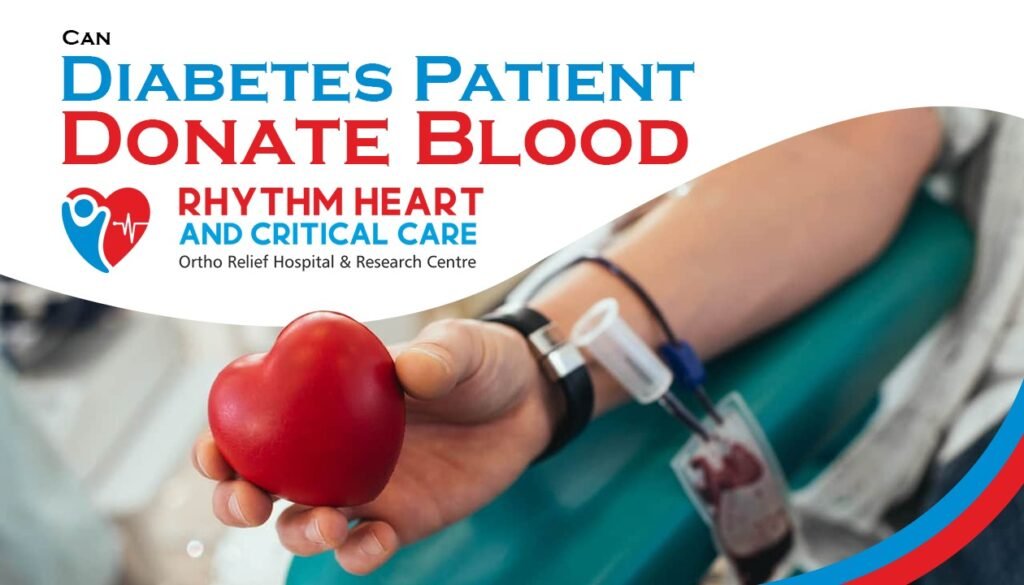
Can diabetics donate blood safely? Learn who qualifies, what rules apply, and how to prepare before donating. Clear answers for Type 1 and Type 2 diabetes.
1. Introduction
Can diabetics donate blood? This is a common question among people living with diabetes who want to help others by giving blood. The short answer is yes — in many cases, diabetics can safely donate blood, but there are important rules and medical conditions to consider.
Diabetes, whether Type 1 or Type 2, affects how your body processes blood sugar. While having diabetes doesn’t automatically disqualify someone from donating, your blood sugar levels must be under control, and certain medications or complications may impact eligibility.
Understanding whether you’re eligible to donate blood is not only important for your own health but also for the safety of the person receiving your blood. In this guide, we’ll explore eligibility requirements, what precautions diabetics should take, and how blood donation may affect you if you live with diabetes.
Quick Fact: A single blood donation can save up to three lives — so if you’re healthy enough to donate, your contribution is incredibly valuable.
2. Can Diabetics Donate Blood? (Short Answer)
Yes, diabetics can donate blood — but only if certain health conditions are met. The most important factor is how well your diabetes is controlled. If your blood sugar levels are stable and you don’t have serious diabetes-related complications, you’re likely eligible to donate.

Whether you have Type 1 or Type 2 diabetes, you may still be allowed to donate blood if:
- Your blood sugar is within a safe range
- You are not using certain types of insulin (depending on country-specific rules)
- You don’t have complications like kidney disease, nerve damage, or poor circulation
However, every blood donation center may have slightly different guidelines. That’s why it’s best to check with your local blood bank or health provider before donating.
Bottom Line:
Can diabetics donate blood? In most cases, yes — as long as the condition is well-managed and there are no severe health issues.
3. Eligibility Criteria for Blood Donation
Understanding these guidelines will help answer the question: can diabetics donate blood safely?
General Requirements for All Donors
To donate blood, you usually must:
- Be 17 years or older (age may vary by country)
- Weigh at least 110 pounds (50 kg)
- Be in generally good health
- Have normal blood pressure and hemoglobin levels
- Not be pregnant or recently given birth
- Not have certain infections like HIV, hepatitis, or malaria
Additional Criteria for Diabetics
If you’re living with diabetes, you can still be eligible — but you must meet a few extra conditions:
- 🔹 Your diabetes must be well-controlled, either through diet, oral medication, or insulin (depending on local rules).
- 🔹 You must feel healthy and well on the day of donation.
- 🔹 No serious complications like kidney failure, foot ulcers, or vision loss.
- 🔹 You must not have changed medication recently, especially insulin type or dosage.
- 🔹 Your blood sugar should not be too high or too low during donation.
Tip: Always disclose your diabetic status and medications to the staff at the blood donation center.
Disqualifying Conditions for Diabetics
You may not be eligible to donate blood if:
- You have uncontrolled blood sugar levels
- You’ve recently had diabetic ketoacidosis (DKA)
- You suffer from advanced nerve, kidney, or eye complications
- You use banned or disallowed types of insulin (some are not accepted in certain countries)
4. Type of Diabetes and Its Impact on Donation
When it comes to blood donation, not all types of diabetes are viewed the same. Understanding how your specific type affects eligibility helps answer the key question: can diabetics donate blood safely?
Type 1 Diabetes
People with Type 1 diabetes may be eligible to donate blood if their condition is well-controlled and they are not experiencing complications. However, some donation centers do not accept Type 1 donors who use insulin, especially in countries like the UK.
Type 2 Diabetes
If you have Type 2 diabetes and manage it through diet, exercise, or oral medications, you are typically eligible to donate. Insulin users with Type 2 may still qualify, depending on local guidelines.
Gestational Diabetes
Those with gestational diabetes (diabetes during pregnancy) are generally not eligible to donate during pregnancy but can consider donating after delivery and once blood sugar stabilizes.
5. Insulin Use and Blood Donation
In many countries, including the United States, people who take insulin can donate blood as long as they have no complications (like nerve damage, kidney problems, or poor circulation). However, some donation centers — particularly in the UK — may restrict donations from those who’ve ever used certain animal-derived insulins.
Key points:
- Insulin users must have stable blood sugar levels
- You may need to provide more medical information during screening
- Recent changes in dosage or type of insulin might delay your eligibility
It’s best to consult your doctor and check your local blood donation rules.
6. Complications That May Prevent Diabetics from Donating
Even though the answer to can diabetics donate blood is usually yes, certain diabetes-related complications can make you ineligible to donate. Blood donation centers want to ensure both your safety and the recipient’s.
Here are the most common complications that may prevent diabetic individuals from donating blood:
- Diabetic Neuropathy: Nerve damage in the hands or feet may signal poor circulation, which could increase donation risks.
- Kidney Disease: If diabetes has affected your kidneys, you are usually not allowed to donate.
- Eye Complications: Diabetic retinopathy or recent laser eye treatments may be a red flag during screening.
- Slow Wound Healing or Foot Ulcers: These suggest poor blood flow, which could complicate recovery after donation.
If you have any of these issues, it’s important to speak with your healthcare provider before attempting to donate.
Always be honest during pre-donation screening — it’s for your own well-being.
7. Tips to Prepare for Blood Donation as a Diabetic
If you’re asking can diabetics donate blood, and you meet the eligibility criteria, preparing the right way can make the process smoother and safer.
Here are essential tips for diabetics before donating blood:
- ✅ Monitor your blood sugar: Make sure your levels are within your normal target range before donation.
- ✅ Eat a healthy meal: Choose an iron-rich meal (like spinach, beans, or red meat) a few hours before donating — avoid fatty foods.
- ✅ Stay hydrated: Drink plenty of water before and after giving blood to prevent dizziness.
- ✅ Take your medications as prescribed: Don’t skip your diabetes meds unless advised by your doctor.
- ✅ Bring relevant information: Have a list of your medications and recent health history.
- ✅ Listen to your body: If you feel unwell, it’s better to reschedule.
By preparing ahead, diabetics can donate blood confidently and safely.
8. What to Expect During and After Donation
Many people ask, can diabetics donate blood without risk? The answer is yes, if your health is stable and your blood sugar is under control. Here’s what the process looks like.
During the donation
You’ll first fill out a health form. A staff member will check your blood pressure and iron levels.
Tell them about your diabetes and what medicines you take. They need this for safety.
A small needle goes into your arm. It takes about 10 minutes to draw one unit of blood.
You may feel a small pinch, but most people say it’s easy.
After the donation
You’ll rest for 10 to 15 minutes. Drink juice or water. Eat a light snack.
Check your blood sugar soon after. Stay hydrated for the rest of the day.
Avoid heavy work or exercise. If you feel dizzy or weak, sit or lie down right away.
Can diabetics donate blood safely? Yes, with the right care before and after, the process is safe and helpful for others.
9. Country-Specific Rules & Guidelines
Rules for blood donation are not the same everywhere. Each country has its own medical standards and safety checks. People often ask, can diabetics donate blood in all countries? The answer depends on local rules and how well your condition is managed.
United States
The American Red Cross says diabetics can donate blood if they feel well and their blood sugar is under control. People on insulin can give blood too. But they must not have health problems like nerve or kidney damage.
United Kingdom
The NHS Blood and Transplant service allows people with diabetes to donate blood only if they use tablets or diet to manage it. People who use insulin cannot donate in most cases.
Canada
Canadian Blood Services accepts diabetic blood donors if they have no serious complications. Those using insulin may need more checks during the screening.
Australia
Lifeblood Australia allows diabetics to give blood if their condition is stable. Both insulin and non-insulin users can donate after medical review.
India
The National AIDS Control Organisation (NACO) says diabetics can donate blood if they are not on insulin and have no other health issues.
10. FAQs
Can diabetics donate blood while on medication?
Yes, diabetics can donate blood while taking medicine, as long as their sugar levels stay stable. The donation center will ask about the type of medication. People on pills usually qualify. Insulin users may face limits based on country rules.
Can diabetics donate blood if they are on insulin?
Some diabetics who use insulin can donate blood, but not all. The rules change by country. In the United States and Australia, insulin use is allowed in most cases. In the UK and India, insulin users may not be accepted.
Can diabetics donate blood if their sugar level is high?
No, diabetics should not donate blood during a high blood sugar episode. Blood sugar should be in the normal range on the day of donation. Stable sugar means safer donation.
Can a Type 1 diabetic donate blood?
In some places, Type 1 diabetics can donate blood if their condition is well-managed. In other places, they may not qualify. Check with your local blood center first.
Can diabetics donate blood more than once a year?
Yes, diabetics can donate blood more than once a year if they stay healthy. Most centers allow donation every 3 to 4 months. Make sure to rest, hydrate, and check blood sugar after each donation.
11. Final Thoughts
Many people ask, can diabetics donate blood without problems. The answer is yes, in most cases. Diabetics can give blood if their sugar is under control and they feel healthy.
Each country has different rules. Some allow insulin users, while others don’t. Some ask for more health checks. Always check local rules before donating.
Blood donation is safe for most diabetics with no major complications. The key is to prepare well and listen to your body. Eat, hydrate, and check your blood sugar before and after.
One donation can help save lives. So if your health allows, give blood and support others.
Can diabetics donate blood? Yes, with the right care and information, they can.


Pingback: Is Popcorn Good for Diabetics? The Truth Will Surprise You - Diabetes Product Blog
biCDiqwyCoFdSBRwFOqkfI